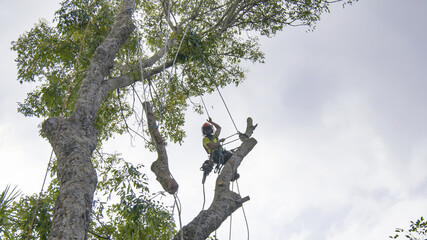
Trees are more than just decorative elements in your yard—they provide shade, improve air quality, and enhance the overall beauty and value of your property. Proper tree care ensures that these benefits last for years, helping trees grow strong and resist disease, pests, and environmental stress. Understanding the fundamentals of tree care, including maintenance practices, seasonal considerations, and problem prevention, is key to creating a healthy and vibrant landscape.
The Importance of Tree Care
Caring for trees goes beyond occasional watering or trimming. Healthy trees are essential for a balanced ecosystem, providing oxygen, supporting wildlife, and reducing soil erosion. Neglected trees, on the other hand, are more susceptible to disease, insect infestations, and structural issues that can become safety hazards.
Regular tree care also protects your property. Trees that are weak, diseased, or poorly maintained can pose risks to homes, vehicles, and people. Investing time and effort in proper tree maintenance ensures both safety and the longevity of your outdoor environment.
Regular Watering and Mulching
Watering is a foundational aspect of tree care, especially for young trees or those in dry climates. Deep, infrequent watering encourages strong root development by forcing roots to grow downward in search of moisture. Shallow or frequent watering can lead to weak roots and poor drought resistance.
Mulching around the base of trees provides multiple benefits. A layer of organic mulch helps retain soil moisture, regulates soil temperature, and suppresses weed growth. Mulch also gradually breaks down, enriching the soil with nutrients that support healthy tree growth. However, it’s important to avoid piling mulch against the trunk, as this can lead to rot and pest problems.
Pruning for Health and Appearance
Pruning is a vital practice that promotes tree health, safety, and aesthetic appeal. Proper pruning removes dead or diseased branches, reduces the risk of falling limbs, and allows better air circulation within the canopy. Well-planned pruning also encourages strong structural growth and shapes the tree for a balanced appearance.
Pruning should be done carefully and at the right time of year. For most trees, late winter or early spring is ideal before new growth begins. Avoid removing too much foliage at once, as this can stress the tree and reduce its ability to produce energy through photosynthesis.
Fertilization and Soil Care
Trees require essential nutrients to grow strong and resist disease. Fertilization provides key elements such as nitrogen, phosphorus, and potassium, which support root development, leaf growth, and overall vigor. Conducting a soil test helps determine nutrient deficiencies and guides the proper application of fertilizers.
Healthy soil is just as important as fertilization. Aerating compacted soil around trees improves water and nutrient absorption. Additionally, maintaining good drainage prevents root rot and other water-related issues that can compromise tree health.
Pest and Disease Management
Pests and diseases are common challenges in tree care, and early detection is critical. Common issues include fungal infections, insect infestations, and bacterial diseases. Symptoms such as discolored leaves, wilting, unusual growths, or holes in the bark often indicate that intervention is needed.
Integrated pest management strategies can help address problems without harming the environment. These strategies include proper pruning, maintaining soil health, using natural predators, and applying targeted treatments when necessary. Consistent monitoring and proactive care prevent minor issues from becoming severe.
Seasonal Tree Care Tips
Tree care varies by season, and adjusting maintenance routines throughout the year helps ensure trees thrive.
- Spring: Focus on pruning dead branches, fertilizing, and monitoring for pests as trees begin to grow. Spring is also an ideal time for planting new trees.
- Summer: Ensure trees receive adequate water, particularly during dry spells. Mulch helps retain moisture and protect roots from heat stress.
- Fall: Prepare trees for winter by pruning damaged limbs, removing fallen leaves, and protecting young trees from harsh weather conditions. Fall fertilization can also support root development.
- Winter: While growth slows, it’s important to protect trees from freezing temperatures, heavy snow, and ice. Wrapping young or sensitive trees and gently removing snow from branches can prevent damage.
Proper Tree Planting Practices
Good tree care begins at planting. Selecting the right tree species for your climate, soil type, and space ensures long-term success. Planting too deep or too shallow can compromise root growth and stability. Always dig a hole wide enough to accommodate the roots comfortably and avoid compacting the soil around the base.
Proper spacing between trees is also important to prevent overcrowding and competition for sunlight, water, and nutrients. Adequate spacing supports healthy growth and reduces the risk of disease transmission between trees.
Signs Your Tree Needs Professional Care
While routine care can be managed by homeowners, some situations require professional expertise. Signs that a tree may need expert attention include:
- Large cracks or splits in the trunk
- Dead or dying branches that continue to spread
- Unusual leaning or instability
- Extensive pest or disease damage
- Significant root damage or exposed roots
Professional arborists have the knowledge, tools, and experience to diagnose problems accurately and perform treatments or removals safely. Seeking help early can prevent further damage and ensure the health of your trees.
Long-Term Benefits of Proper Tree Care
Investing in tree care pays dividends over time. Healthy trees provide shade that reduces energy costs, improves air quality, and increases property value. Well-maintained trees are less likely to become hazards, reducing potential liability. Additionally, a beautiful landscape contributes to mental well-being, providing a calming outdoor space to enjoy.
Tree care is a long-term commitment that combines watering, pruning, fertilization, and monitoring for pests and disease. By understanding the unique needs of your trees and implementing seasonal maintenance practices, you can promote strong, healthy growth and protect your property. Whether you are caring for young saplings or mature trees, consistent attention and proper techniques ensure that your trees remain vibrant, safe, and beautiful for years to come.