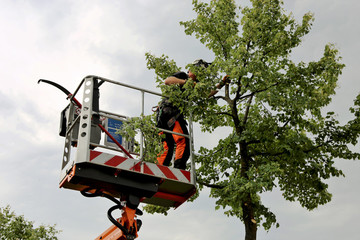
Tree services play a crucial role in maintaining the health, safety, and appearance of outdoor environments. Whether in residential properties, commercial spaces, or public landscapes, trees require regular care and professional attention to thrive. While trees are naturally resilient, they are still vulnerable to disease, storm damage, pest infestations, and structural issues that can compromise both their health and safety.
Professional tree services are designed to address these challenges through a combination of maintenance, treatment, and removal solutions when necessary. From routine pruning to emergency storm response, tree care specialists ensure that trees remain strong, balanced, and safe while enhancing the overall landscape. Proper tree management not only improves aesthetics but also helps prevent hazards and long-term property damage.
Why Tree Services Are Important for Property Maintenance
Trees contribute significantly to the value and beauty of any property, but they also require ongoing care to remain healthy and safe. Without proper maintenance, trees can become overgrown, unstable, or diseased, leading to potential risks for nearby structures and people.
Regular tree services help identify issues early and provide solutions before they escalate. Overgrown branches can interfere with power lines or roofs, while weak or dead limbs can fall unexpectedly during storms or high winds. Proper maintenance reduces these risks and ensures a safer outdoor environment.
Tree care also supports environmental health. Healthy trees improve air quality, provide shade, reduce soil erosion, and contribute to biodiversity. Maintaining trees properly helps preserve these benefits while ensuring that they continue to grow in a controlled and sustainable manner.
Common Types of Tree Services
Tree services cover a wide range of maintenance and care solutions designed to support tree health and safety. Each service addresses specific needs depending on the condition of the trees and the goals of the property owner.
Common tree services include:
- Tree pruning and trimming
- Tree removal and stump grinding
- Emergency tree services after storms
- Tree health assessments and disease treatment
- Pest and insect control for trees
- Cabling and bracing for structural support
- Land clearing and vegetation management
Each service plays an important role in maintaining both individual tree health and overall landscape balance.
Tree Pruning and Trimming for Healthy Growth
Pruning and trimming are essential components of tree maintenance. These services involve the selective removal of branches to improve tree structure, encourage healthy growth, and eliminate potential hazards. Proper pruning techniques help trees grow in a balanced and stable manner while reducing the risk of broken or weak limbs.
Overgrown branches can block sunlight, restrict airflow, and create uneven weight distribution within the tree. Trimming helps correct these issues while improving the overall appearance of the landscape. It also reduces the likelihood of branches interfering with buildings, roads, or utility lines.
Key benefits of regular pruning and trimming include:
- Improved tree structure and stability
- Enhanced sunlight exposure and airflow
- Reduced risk of falling branches
- Healthier and more controlled growth patterns
- Better overall landscape appearance
Proper pruning should always be performed with an understanding of tree biology to avoid damaging the tree or hindering its natural development.
Tree Removal Services for Safety and Land Management
In some cases, tree removal becomes necessary when a tree is beyond recovery or poses a significant risk. Diseased, dead, or structurally unstable trees can become hazards if not removed in time. Tree removal services ensure that these risks are handled safely and efficiently.
Tree removal may also be required for construction projects, landscaping redesigns, or space optimization. In such cases, professionals assess the tree and surrounding environment to determine the safest removal method.
Common reasons for tree removal include:
- Severe disease or irreversible pest infestation
- Structural instability or leaning trees
- Storm or weather-related damage
- Interference with buildings or infrastructure
- Overcrowding affecting nearby tree growth
Professional removal ensures that the process is carried out safely, minimizing risk to surrounding structures and landscapes.
Emergency Tree Services After Storm Damage
Severe weather conditions such as storms, strong winds, or heavy rainfall can cause significant damage to trees. Broken branches, uprooted trees, and unstable trunks can create immediate safety hazards. Emergency tree services are designed to respond quickly to these situations and restore safety to affected areas.
Emergency response teams assess the damage, remove hazardous debris, and stabilize or remove compromised trees. Quick action is essential to prevent further damage to property or injury to individuals.
Emergency tree service tasks often include:
- Removal of fallen or hazardous branches
- Stabilization of partially uprooted trees
- Clearing blocked driveways or pathways
- Assessing structural damage to remaining trees
- Preventing further collapse or risk
Fast and professional response ensures that properties are made safe as quickly as possible after severe weather events.
Tree Health Assessments and Disease Management
Tree health is a critical aspect of long-term landscape maintenance. Trees can be affected by diseases, fungi, nutrient deficiencies, and pest infestations that may not always be visible at early stages. Regular health assessments help detect these issues before they cause irreversible damage.
Certified tree care professionals evaluate leaf condition, bark integrity, root stability, and overall growth patterns to identify potential problems. Early diagnosis allows for targeted treatments that can restore tree health or prevent further decline.
Tree health management may involve:
- Soil testing and nutrient correction
- Disease identification and treatment
- Pest control and prevention strategies
- Root health evaluation
- Structural stability assessment
Maintaining tree health not only preserves individual trees but also protects the surrounding landscape from spreading issues.
Tree Cabling and Structural Support
Some trees develop structural weaknesses due to age, weather exposure, or uneven growth patterns. In such cases, cabling and bracing techniques are used to provide additional support and prevent breakage.
Cabling involves installing flexible steel cables between branches to redistribute weight and reduce stress. Bracing uses rods or hardware to stabilize weak areas of the tree. These methods help preserve trees that might otherwise require removal.
Benefits of structural support systems include:
- Extended lifespan of weakened trees
- Reduced risk of branch failure
- Improved safety for surrounding areas
- Preservation of mature or valuable trees
- Balanced weight distribution within the canopy
These techniques allow trees to remain part of the landscape while minimizing potential hazards.
Land Clearing and Vegetation Management
Tree services also include large-scale land clearing and vegetation management for construction, development, or landscaping projects. This process involves removing trees, shrubs, and overgrown vegetation to prepare land for new use.
Proper land clearing ensures that the area is safe, accessible, and suitable for future development. It also helps control invasive plant species and improve land usability.
Land clearing services may involve:
- Removal of trees and stumps
- Clearing of dense vegetation and brush
- Grading and site preparation
- Disposal or recycling of organic materials
- Environmental impact management
Professional handling ensures that land is cleared efficiently while minimizing environmental disruption.
Importance of Regular Tree Maintenance
Routine tree maintenance is the most effective way to prevent costly issues and ensure long-term tree health. Regular inspections and care help identify problems early and maintain structural stability.
Consistent maintenance improves safety, enhances landscape appearance, and supports environmental sustainability. Well-maintained trees are less likely to suffer from disease, structural failure, or pest infestations.
Final Thoughts on Tree Services
Tree services are essential for maintaining safe, healthy, and visually appealing outdoor environments. From pruning and trimming to emergency response and tree removal, each service plays a vital role in supporting both tree health and property safety.
Professional tree care ensures that trees remain strong, balanced, and beneficial to their surroundings. By investing in regular maintenance and expert services, property owners can preserve the beauty of their landscapes while preventing hazards and ensuring long-term environmental value.